

There’s a telling moment that happens when you’re standing in front of something famous, the Eiffel Tower, the Grand Canyon, or that one colorful street in Cartagena, and you realize you’re not actually looking at it. You’re thinking about the photo. The angle. Whether the lighting is good enough. Whether this will communicate that you were here, that the trip was worth it, that you’re the kind of person who does this.
You take the photo. You check it. You take three more. And then you leave, because you got what you came for, which apparently wasn’t the experience itself but the evidence of it.
This isn’t about being shallow or image-obsessed. It’s about how travel has become weirdly unmoored from the person doing it. Somewhere in the last decade, the question shifted from “What do I want to see?” to “What should I see?” From “What sounds interesting to me?” to “What will make a good story?”

We plan trips around other people’s recommendations. We follow itineraries designed for maximum coverage. We go places because they’re supposed to be incredible, not because we’re personally curious about them. And then we wonder why travel that looks amazing in photos feels vaguely empty in real life.
The issue isn’t that you’re traveling wrong. It’s that you might be traveling for an audience that isn’t you. For the version of yourself you think you should be. For proof that you’re adventurous, cultured, making the most of life. All of which are fine motivations, except they’re exhausting, and they don’t actually lead to the thing travel is supposed to provide: a break from who you are at home, and space to figure out who else you might be.
Travel for yourself doesn’t mean traveling alone. It means traveling like you’re the person who matters.
The Performance Travel Trap: When Travel Becomes Content
Performative travel isn’t about posting photos. Posting photos is fine. Performative travel is when the posting becomes the point. When you choose restaurants because they’re Instagramable rather than because the food sounds good. When you add things to your itinerary because they’ll make your trip look more impressive. When you’re already thinking about how you’ll describe this experience before you’ve actually had it.
It’s subtle. You’re not consciously performing. You’re just… aware. Aware that travel is something people share. That certain destinations carry social currency. That there’s a right way to do Paris and a basic way to do Paris, and you’d prefer to be in the first category.
The Bucket List Isn’t Your List
Bucket lists have become a weirdly coercive force in travel. Everyone has one, or feels like they should. The Amalfi Coast. Machu Picchu. Iceland. Japan during cherry blossom season. These aren’t bad destinations. They’re just… default. The places you’re supposed to want to go.
But whose list is it, really? Did you wake up one day desperate to see Machu Picchu, or did you absorb the idea that it’s one of the places worth seeing? Does Iceland genuinely call to you, or does it just show up on every “30 Before 30” article?
There’s nothing wrong with going to famous places. The problem is going to them because they’re famous, then being disappointed when the experience doesn’t live up to the hype you never generated yourself.
The “Worth It” Obsession
Travel content has created an entire economy around the question “Is it worth it?” Is the hike worth it? Is the restaurant worth the wait? Is this city worth visiting, or should you skip it for the next one?
This framing treats travel like an optimization problem. You have limited time and money, so you need to maximize return on investment. See the best things. Eat at the best places. Don’t waste time on anything mediocre.
| If You Notice Yourself… | Pause and Ask Yourself… | A More Personal Alternative |
|---|---|---|
| Prioritizing photo opportunities over the experience | “Would I still come here if no one else saw it?” | Spend a few minutes without taking photos before reaching for your camera. |
| Feeling pressure to check off famous attractions | “Am I genuinely interested in this, or do I feel obligated?” | Replace one must-see stop with an activity that reflects your own interests. |
| Packing every day with activities | “Do I actually need to fill every hour?” | Leave open blocks of time for wandering, resting, or following unexpected discoveries. |
| Following someone else’s itinerary exactly | “What part of this destination am I personally curious about?” | Build part of the trip around a niche interest, hobby, or question that matters to you. |
| Comparing your trip to what others have done | “What would make this trip memorable for me?” | Measure the success of the trip by how it feels rather than how it looks. |
| Feeling guilty for slowing down or skipping attractions | “Am I trying to maximize experiences or enjoy them?” | Give yourself permission to rest, revisit a favorite place, or simply spend time observing your surroundings. |
But travel isn’t an efficiency puzzle. Or it doesn’t have to be. The “worth it” framework assumes there’s an objective hierarchy of experiences, and your job is to hit the top-ranked ones. In reality, what’s worth it is subjective. A random neighborhood you wandered through might be more meaningful than the museum everyone said you had to see. The shitty pizza you ate sitting on a curb might be a better memory than the Michelin-starred dinner.
Worth it to whom? Based on what? These questions don’t have universal answers. But we’ve outsourced the decision to TikTok comments and Reddit threads and travel bloggers, and then we’re surprised when the thing that was worth it to them doesn’t feel worth it to us.
What Happens When You Travel for the Story Instead of the Experience
The version of travel that’s designed for sharing has a specific aesthetic. It’s spontaneous but curated. Adventurous but safe. It involves sunrise hikes and local markets and that one perfect golden-hour photo where you’re looking away from the camera, contemplative, fully present in the moment (that you staged).
This version of travel isn’t fake, exactly. It’s just… optimized. For narrative. For visuals. For the story you’ll tell when people ask about your trip.
And optimization has costs.
You Skip the Boring Parts (Which Are Often the Best Parts)
The shareable version of travel edits out everything slow. The long train ride where you just stared out the window. The afternoon you spent reading in a park because you were tired. The hour you killed in a cafe because it was raining and you didn’t have anywhere you needed to be.
None of that makes a good Instagram story. But it’s often where the actual restoration happens. The parts where you’re not doing anything, not seeing anything important, just existing in a different place with a different rhythm. Those boring stretches are where travel stops feeling like a checklist and starts feeling like a break.
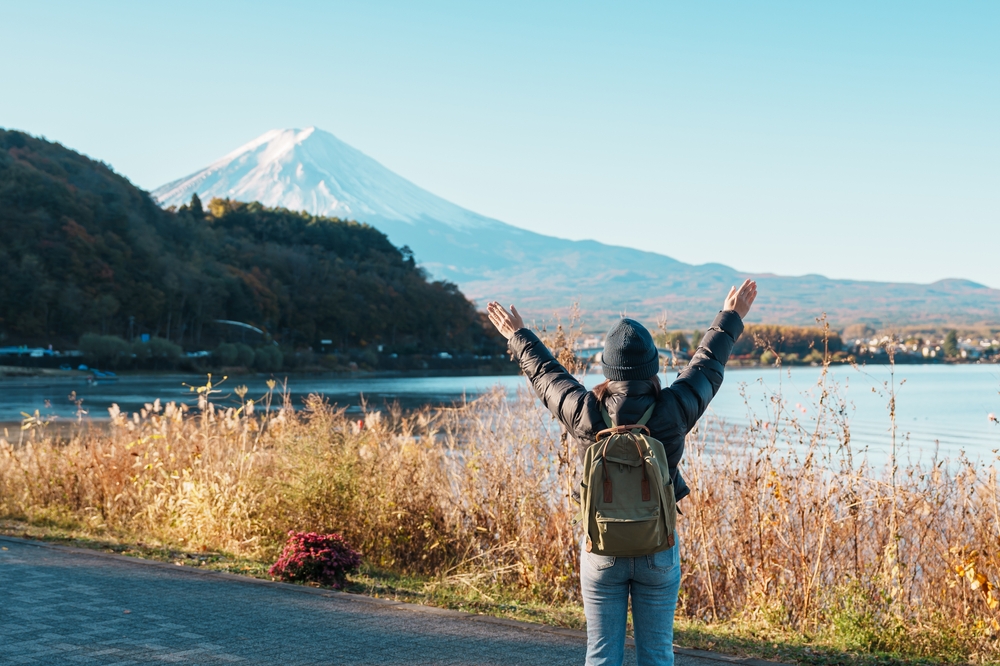
When you cut them out, or worse, never plan for them because they’re not “worth it”, you end up with a trip that looks good but feels like work.
You Miss the Things You Didn’t Know You’d Care About
Algorithmic travel (i.e. travelling only to where TikTok tells you to go) has made serendipity harder. Everything is pre-researched. Every restaurant has reviews. Every neighborhood has been mapped and ranked and explained.
That’s useful, but it also closes off the possibility of stumbling into something you didn’t know existed. The weird museum. The random festival. The street that wasn’t in the guide but turned out to be your favorite part of the city.
Planned travel frontloads all the decision-making. You decide what you’ll like before you get there, then you execute. But sometimes the best parts of a trip are the things you couldn’t have known to plan for. The conversation with a local who gave you a recommendation you’d never have found online. The place you walked into on a whim. The thing you only noticed because you got lost.
That kind of discovery requires space. And not just physical space, mental space. Room to be aimless. Permission to deviate. The confidence to ignore the plan if something more interesting appears.
Your Curiosity Atrophies
When you’re always following someone else’s itinerary, you stop being present enough to ask yourself what you’re curious about. The algorithm serves you options. Reddit tells you what’s skippable. Your job is just to choose from the pre-vetted list.
But curiosity doesn’t work that way. Curiosity is specific, weird, often inexplicable. Maybe you’re more interested in old train stations than famous museums. Maybe you care about regional grocery stores or neighborhood basketball courts or whatever odd thing catches your attention.
None of that is going to show up in the top ten things to do. But it’s probably more interesting to you than the thing that will.
Travel that’s designed for shareability flattens those quirks. It pushes you toward the universal highlights and away from the niche interests that might actually make the trip feel personal.
Travelling in a Way That Matches Who You Actually Are
Travel doesn’t have to look the same for everyone. The trip that restores your friend might exhaust you. The itinerary that sounds perfect on paper might be completely wrong for your personality. That’s fine. The goal isn’t to travel correctly. It’s to travel in a way that actually works for you.
Energy Level and Stimulation Needs
Some people travel to be stimulated. They want new sights, busy streets, constant input. Other people travel to decompress. They want quiet, routine, low stakes.
Neither is better. But knowing which one you are changes everything.
If you’re energized by novelty, you probably want cities. Multiple neighborhoods. Different restaurants every night. Spontaneous plans. A loose structure with room for wherever the day takes you.
If you’re drained by overstimulation, you probably want the opposite. One place for the whole trip. A simple routine. The same breakfast spot. Long walks with no destination. Minimal decisions.
The mistake is planning the first type of trip when you need the second, or vice versa. Be honest about what actually recharges you, not what sounds impressive.
Solo vs. Social
Traveling alone has become its own kind of performance. Solo travel content emphasizes empowerment, independence, finding yourself. It’s framed as brave, transformative, the thing you do when you’re ready to grow.
That’s true for some people. For others, traveling alone is just lonely.
If you’re an extrovert who processes through conversation, solo travel might feel isolating rather than liberating. If you’re someone who finds meaning in shared experience, doing everything alone might make the trip feel flat, no matter how beautiful the destination.
Conversely, if you’re an introvert who needs a lot of space, then traveling with others, even people you love, can be draining. You never get time to recharge. You’re always negotiating, always aware of someone else’s preferences and energy.
There’s no moral hierarchy here. Solo travel isn’t more authentic than group travel. Group travel isn’t less meaningful. They’re just different, and one of them probably fits you better.

Planned vs. Spontaneous
Some people love a detailed itinerary. Reservations made. Routes mapped. They feel more relaxed when they know what’s happening. Planning is part of the fun.
Other people find that suffocating. They want flexibility. Room to change their mind. The option to skip something if it doesn’t feel right in the moment.
Both are valid. But if you’re a planner traveling with a spontaneous person, or vice versa, you’ll drive each other crazy. Know which one you are, and either plan accordingly or travel with someone who matches your style.
The Depth vs. Breadth Question
There’s a school of thought that says you should see as much as possible while you’re traveling. Multiple cities. Different regions. Maximize the number of experiences.
There’s another school that says you should stay in one place and go deep. Get to know a neighborhood. Become a regular at a cafe. Stop sightseeing and just live there for a bit.
Again, no right answer. But breadth travelers and depth travelers have fundamentally different trips. If you’re breadth, you’ll be bored staying in one place for a week. If you’re depth, you’ll be exhausted bouncing between cities every two days.
Most people assume they should maximize – see as many places as possible. But if you’re someone who needs time to settle in, who feels scattered when you’re constantly moving, that’s going to make travel stressful instead of restorative.
Giving Yourself Permission to Travel Differently
The hardest part of personal travel isn’t logistics. It’s the internal negotiation. The voice that says you’re wasting the trip if you sleep in. That you should want to see the thing everyone says is unmissable. That you traveled all this way, so you should make the most of it.
That voice is loud. And it’s been trained by years of travel content that optimizes for the highlight reel. Here’s how to turn it down.
You’re Allowed to Skip Famous Things
If you’re in Rome and you genuinely don’t care about the Colosseum, you don’t have to go. You can skip it. Nothing bad happens. You don’t fail at travel. You just… don’t see the Colosseum.
This sounds obvious, but it’s weirdly hard to internalize. The famous things are famous for a reason, and skipping them feels wasteful. Like you came all this way and didn’t even see the main attraction.
But the main attraction according to whom? If you’re more interested in the neighborhood market than the ancient ruins, go to the market. You’ll have a better time, and you won’t spend the whole Colosseum visit feeling like you’re checking a box.
The trick is to distinguish between “I think I should want to see this” and “I actually want to see this.” One is obligation. The other is curiosity. Only the second one leads to a good experience.
You’re Allowed to Do “Nothing”
Taking a full day to read by a pool isn’t wasting your trip. Neither is spending an afternoon wandering aimlessly. Or sleeping past noon because you’re tired.
There’s a productivity bias in travel, this idea that every day should be full, that rest is something you do at home, that if you’re somewhere new you should be out experiencing it.
But sometimes experiencing a place means slowing down enough to notice what it feels like. The light. The pace. The way people interact. None of that happens when you’re rushing between activities.
Also, if you’re traveling to recover from burnout, and then you structure the trip like a work project, you’ve defeated the purpose. Rest is not a luxury. It’s the point.
You’re Allowed to Ignore Recommendations
Someone whose taste you trust tells you that you absolutely have to eat at a specific restaurant. TikTok says this neighborhood is the only one worth seeing. Your guidebook says you can’t leave without doing X.
You can ignore all of it.
Recommendations are useful as starting points, not mandates. If something sounds good to you, great. If it doesn’t, skip it. Even if everyone loved it. Even if it’s supposed to be the best.

Your trip doesn’t need to match anyone else’s trip. Not your friends’. Not the influencer you follow. Not the “correct” version of this destination.
You’re allowed to have different priorities. Different energy levels. Different interests. And all of those differences will lead to a different trip, which is fine, because it’s your trip.
Building a Trip Around Your Actual Curiosity
Personal travel doesn’t follow a template. It starts with a question: What am I actually curious about?
Not what should I be curious about. Not what’s supposed to be interesting. What genuinely pulls your attention?
Maybe it’s food. Maybe it’s architecture. Maybe it’s how cities handle public transportation. Maybe it’s completely random – you’re fascinated by markets, or bridges, or whatever niche thing captures you.
Once you know what you’re curious about, you can build a trip around it. Not around the top ten attractions. Around the thing you care about.
This might mean spending half a day in a neighborhood most people skip because it has the best example of the architecture you’re interested in. It might mean eating at the same type of restaurant in three different cities to compare. It might mean structuring your entire trip around a question only you would ask.
That sounds indulgent. It is indulgent. That’s the point.
Travel that’s designed for you won’t look like anyone else’s trip. It’ll have gaps that seem weird to other people. It’ll prioritize things that don’t make sense to someone with different interests. And it’ll probably include at least one day where you didn’t do much of anything because you were tired and that was fine.
The Best Trip Is the One That Feels Like Yours
This isn’t about becoming a travel purist who rejects all advice and plans everything from scratch. It’s just about starting with an understanding of what you actually want from your journey. Then having the honesty to build the trip around your answer instead of someone else’s., even if the answer is “I want to do very little” or “I want to see one weird thing” or “I want to eat good food and not worry about sightseeing.”

The performative version of travel will always be there. It’s louder, more visible, more affirmed by algorithms and social structures. But it’s not the only way.
You’re allowed to skip the bucket list. You’re allowed to plan a trip around your niche interest. You’re allowed to spend money to go somewhere and then spend half the time reading. You’re allowed to travel in a way that doesn’t make sense to anyone else, because the trip isn’t for anyone else.
The goal isn’t to have a trip worth posting. It’s to have a trip worth taking.
For you. Not for the story. Not for proof. Just for the experience of being somewhere else, seeing what happens, and letting that be enough.