

There’s a specific moment that tends to come up when someone explains why they switched to a dumb phone. It’s not dramatic. It’s usually something small. They were at dinner with a friend and realized they’d checked their phone three times before the food arrived. Or they picked up their phone to set an alarm and ended up scrolling Instagram for forty minutes. Or they noticed their first instinct upon waking wasn’t to stretch or think, it was to reach for the screen.
The breaking point is rarely about hating technology. It’s about noticing that the technology has started making decisions for you.
The dumb phone movement – people voluntarily downgrading from smartphones to basic flip phones or feature phones, sounds like a rejection of modernity. A nostalgic retreat. A performative protest against Big Tech. But talk to people who’ve actually made the switch, and the motivations are more practical than philosophical. They’re not trying to cosplay 2005. They’re trying to reclaim something specific: the ability to be bored, the option to be unreachable, the experience of existing without an algorithmic feedback loop narrating their attention.
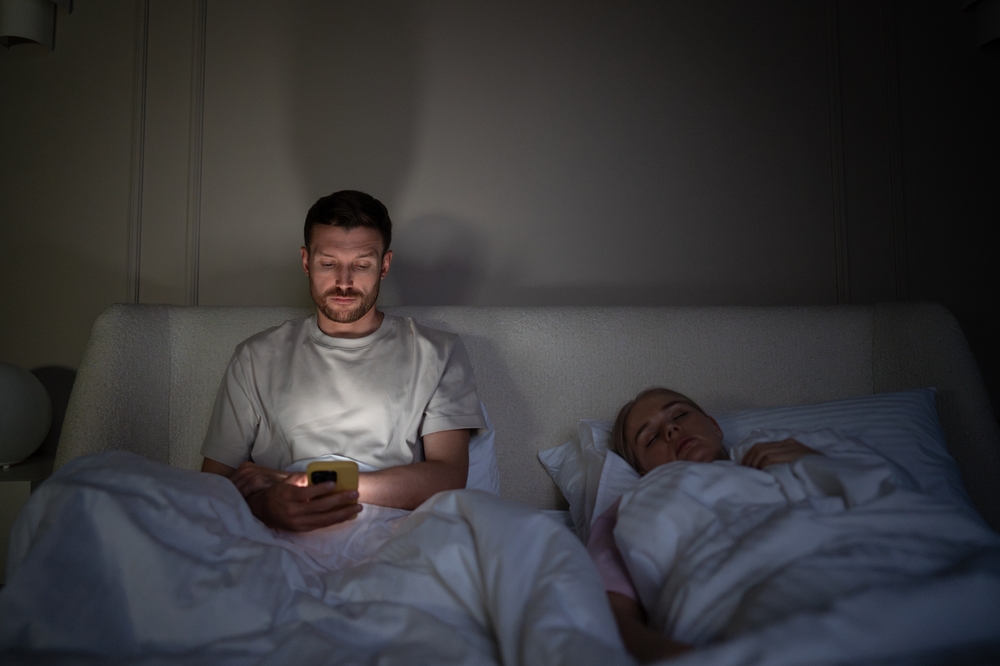
This isn’t Luddism. It’s not even anti-tech, really. It’s a recognition that the way we currently use phones isn’t neutral. It’s designed to be addictive, extractive, and omnipresent. And for a growing number of people, the cost of that design has started outweighing the convenience.
The dumb phone movement is less about going backwards and more about opting out of a system that was never designed with your best interests in mind. It’s not anti-technology. It’s pro-having-a-life.
The Breaking Point: When Convenience Becomes Cognitive Overload
The timing of this trend isn’t random. It’s emerging at a moment when digital fatigue has shifted from niche concern to mainstream experience.
A decade ago, smartphones still felt novel. They solved problems. They made life easier. Navigation, communication, access to information – all of it genuinely useful. But somewhere along the way, the balance tipped. The phone stopped being a tool you used and became an environment you lived in.
Now, the average person checks their phone 96 times a day. That’s once every ten minutes during waking hours, assuming you sleep. Social media apps are engineered to be habit-forming. Notifications are designed to interrupt. The entire interface is optimized for engagement, which is a polite way of saying it’s optimized to keep you looking at it as long as possible.
The Attention Tax
The result is a kind of low-grade, persistent cognitive load. You’re never fully present because part of your brain is always monitoring for the next ping, the next update, the next thing you might be missing. Even when the phone is face-down on the table, it’s still pulling focus.
This isn’t a moral failing. It’s a design outcome. The phone is doing exactly what it was built to do. The problem is that what it was built to do (maximize attention and ad revenue) happens to be incompatible with things like sustained focus, deep rest, and not feeling vaguely anxious all the time.

People who switch to dumb phones aren’t doing it because they hate convenience. They’re doing it because they’ve hit a point where the convenience no longer feels worth the trade-off. The cost in terms of attention, mental clarity, or the ability to do anything without simultaneously doing three other things, has become too high.
What You Actually Get Back: Boredom, Boundaries, & Breathing Room
The most commonly reported benefit of switching to a dumb phone is also the most paradoxical: boredom.
Not the frustrated, restless kind of boredom. The spacious kind. The kind where you’re waiting in line or sitting on a train and you just… wait. Sit. Think. Look around. Let your mind wander without immediately filling the gap with content.
Rediscovering Empty Moments
Smartphone users have largely forgotten what boredom feels like. Every empty moment is an opportunity to check something. Email, texts, social media, news, the group chat. There’s always something to look at, which means there’s never a reason to be idle. But idleness, it turns out, is where a lot of useful mental activity happens. Reflection. Daydreaming. Processing. The kind of thinking that doesn’t happen when your brain is in constant input mode.
| Broader Shift | Smartphone Era | Dumb Phone Perspective |
|---|---|---|
| Relationship With Technology | Technology becomes a constant companion that demands attention. | Technology returns to being an occasional tool used with intention. |
| Default Expectations | Constant availability and immediate responses are assumed. | Delayed communication becomes acceptable and expected. |
| Control Over Attention | Apps and algorithms largely determine what captures focus. | The user decides when and how to engage with technology. |
| Daily Pace | Frequent interruptions fragment the day into short bursts of activity. | Longer stretches of uninterrupted time support sustained focus and presence. |
| Definition of Convenience | More features and continuous connectivity are treated as automatic improvements. | Simplicity and fewer digital demands can be viewed as their own form of convenience. |
| Cultural Message | Success is often associated with being constantly connected and optimized. | Well-being is prioritized over maximizing engagement and perpetual accessibility. |
Dumb phone users talk about rediscovering this space. Not because they’re trying to be mindful or zen, but because the phone simply doesn’t offer the option to fill every gap. You can make calls. You can text. That’s mostly it. So when you’re standing in line at the grocery store, you just stand there. And after the initial discomfort of not having a distraction, it starts to feel… fine. Sometimes even good.
The Gift of Being Unreachable
There’s also the boundary aspect. A dumb phone makes you functionally unreachable in ways that feel increasingly rare. You can’t get work emails on it. You can’t be pulled into a Slack thread at 9 PM. You can’t doomscroll the news or get into an argument in someone’s Instagram comments.
This isn’t about being unavailable. It’s about being available on your terms. People can still call or text. But the constant, ambient sense that you should always be responsive, always aware, always participating, disappears. And for a lot of people, that disappearance feels like relief.
Time Becomes Linear Again
The third thing people gain is a different relationship with time. Smartphones compress time in strange ways. You think you’ve been scrolling for five minutes and it’s been thirty. You pick up your phone to check one thing and suddenly you’ve checked six other things and forgotten what you originally needed.
Dumb phones make time feel more linear again. You do one thing at a time. When you’re done, you put the phone down. There’s no algorithmic pull to keep going, no endless feed, no recommendation engine trying to serve you the next thing before you’ve finished processing the last thing. Time becomes something you spend rather than something that disappears while you’re looking at a screen.
The Real Trade-Offs: What Actually Gets Harder
The losses are real, and everyone who switches to a dumb phone feels them.
The Convenience Cliff
The most obvious loss is convenience. No GPS. No ride-sharing apps. No mobile banking, boarding passes, two-factor authentication, or restaurant reservations. A lot of modern infrastructure assumes you have a smartphone, and opting out means encountering friction everywhere.
Some people solve this by keeping an old smartphone at home for tasks that genuinely require it, using it like a mini computer rather than a phone. Others just adapt. Print directions. Carry cash. Plan ahead. It’s inconvenient, but it’s manageable. The question is whether the inconvenience is worth the mental space you get back.
Living on a Different Timeline
Then there’s the social cost. Group chats still happen, but you’re slower to respond because texting on a flip phone is annoying. You miss memes, inside jokes, spontaneous plans made in real-time. You can’t participate in Instagram stories or react to someone’s Twitter thread. You’re still connected, but you’re outside the constant flow of social information that shapes how a lot of friendships operate now.
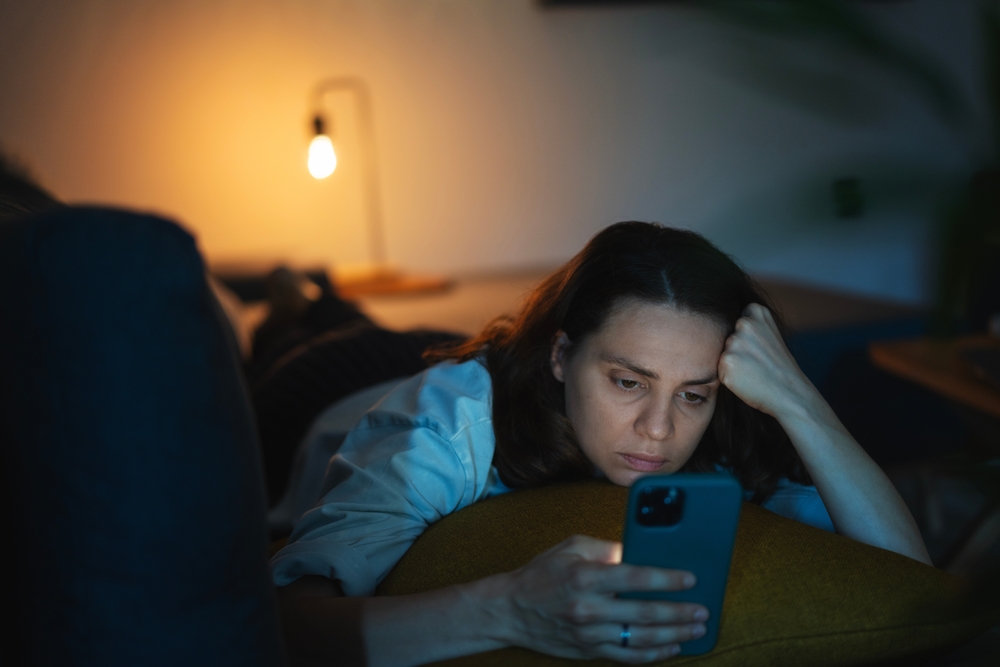
This can feel isolating. Not in a lonely way, necessarily, but in an out-of-sync way. You’re living on a slightly different timeline than everyone else. People make plans in group chats you don’t see until later. References fly by that you don’t get because you weren’t online when they were happening. You’re present in physical space but less present in digital space, and for some relationships, that’s where most of the maintenance happens.
The Explanation Tax
There’s also a subtle status dimension. Having a smartphone is so default that not having one reads as either a statement or a problem. Are you making a point? Are you too broke to afford one? Are you okay? The choice to use a dumb phone requires explanation in a way that using a smartphone doesn’t, and not everyone wants to have that conversation repeatedly.
For some people, these trade-offs are disqualifying. If your job requires constant connectivity, if your social life is primarily online. If you rely on apps for accessibility or safety, then a dumb phone isn’t viable. And that’s fine. This isn’t a moral imperative. It’s a personal calculation about what you need versus what you’re willing to give up.
But for people who make the switch and stick with it, the consensus tends to be that the losses are real but smaller than expected. The convenience you lose is noticeable. The mental space you gain is larger.
The Social Ripple Effect: How Opting Out Changes Group Dynamics
What’s interesting about the dumb phone trend is that it’s not just personal. It’s also social. Using a dumb phone is a visible rejection of norms, and that visibility changes interactions.
Setting New Boundaries (For Everyone)
When you tell someone you don’t have a smartphone, you’re implicitly saying that whatever they’re about to send you (memes, articles, Instagram posts) you won’t see. At least not immediately. Maybe not at all. That shifts expectations. People stop tagging you in things. They stop assuming you’re always reachable. They adjust to your boundaries, sometimes reluctantly, sometimes with relief.
There’s also a mirroring effect. When one person opts out of constant connectivity, it gives others permission to do the same, even if they don’t switch phones. It normalizes being unreachable. It reframes “not responding instantly” as a choice rather than a failing.
Becoming the Scheduling Bottleneck
But it can also create tension. If you’re the only person in a group without a smartphone, you become the scheduling bottleneck. Plans get harder to coordinate. Shared experiences like live-tweeting a show or sharing photos in real time become asymmetrical. You’re there, but you’re not participating in the same way.
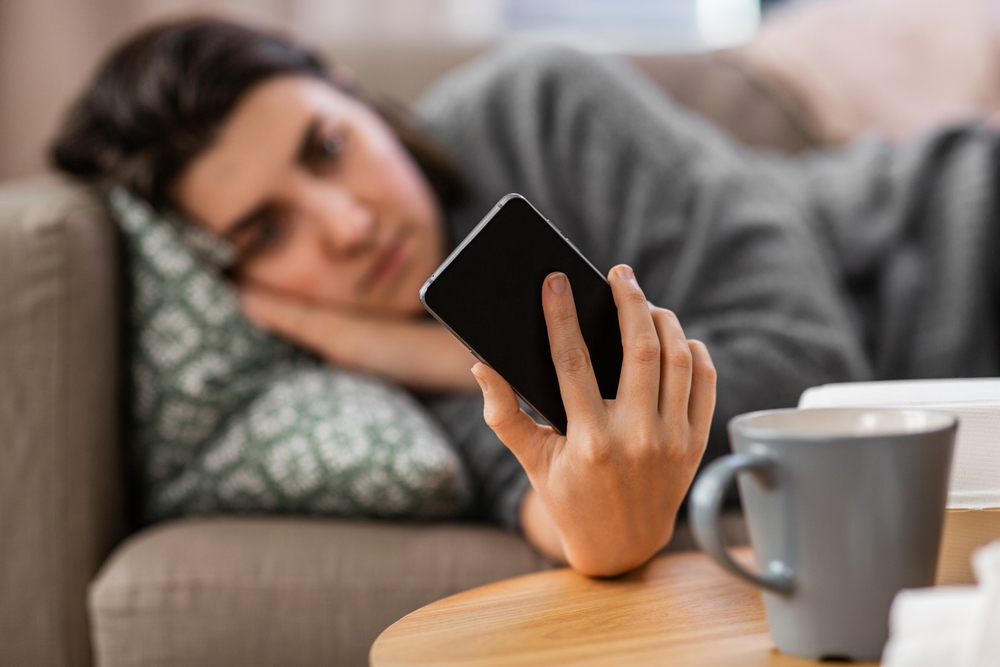
Some people find this clarifying. It surfaces which relationships are built on convenience versus genuine connection. If a friendship only works when you’re both constantly available, maybe it’s not as deep as you thought. But that realization can sting.
Who Gets to Opt Out
There’s also a class and privilege dimension that’s worth naming. Choosing to be less connected is only really an option if you have stability in other areas of your life. If you’re job hunting, if you’re coordinating childcare, if you’re managing a health condition, if you’re relying on gig work, being unreachable isn’t a luxury. It’s a liability.
The dumb phone movement is predominantly a choice made by people who have enough security to opt out of certain systems. That doesn’t make it invalid, but it does mean the trend reflects a specific kind of burnout – one that comes from having too much access, not too little.
This Isn’t Nostalgia – It’s a Response to a Design Failure
It’s tempting to read the dumb phone trend as nostalgia. A longing for simpler times. A romanticization of the pre-smartphone era when people talked to each other and weren’t glued to screens.
But that’s not quite it. Most people who switch to dumb phones aren’t trying to relive the past. They’re responding to a specific set of failures in the present.
What Smartphones Promised vs. What They Delivered
The smartphone promised connection. It delivered isolation inside a dopamine loop.
It promised efficiency. It delivered distraction masquerading as productivity.
It promised access to information. It delivered information overload and algorithmic manipulation.
The dumb phone isn’t a rejection of technology. It’s a rejection of the particular way smartphones have been designed and deployed. It’s not anti-progress. It’s anti-business model.
Tech-Literate Refusal
The people making this switch tend to be tech-literate. They’re not confused about how phones work. They understand exactly how they work, and that’s the problem. They’ve seen behind the curtain, they’ve read the studies on variable reward schedules, learned about surveillance capitalism, and noticed the correlation between screen time and mental health, and decided they don’t want to participate anymore.
This is different from nostalgia, which is about longing for the past. This is about opting out of a present that isn’t working.
Intentional Access, Not Total Rejection
There’s also a difference between rejecting smartphones and rejecting the internet. Most dumb phone users still have computers. They still use email, still browse websites, still engage with digital tools. The difference is that those tools live in a specific place and require intentional access. You have to sit down, open a laptop, decide to go online. It’s not ambient. It’s not always-on. And that distinction matters.

The dumb phone movement is part of a broader shift toward intentional technology use. People aren’t rejecting the internet. They’re rejecting the expectation that they should be accessible to it at all times.
What This Reveals About How We Live Now
The fact that downgrading your phone feels like a radical act says something about how normalized constant connectivity has become.
When Opting Out Became Countercultural
Ten years ago, not having a smartphone was unremarkable. Now, it’s countercultural. The default assumption is that everyone is reachable, always. That everyone participates in the same digital spaces. That everyone shares their lives in the same semi-public way.
Opting out of that default requires justification. It reads as a statement even when it’s just a preference. And that asymmetry where participation is assumed and non-participation is weird, reveals how deeply smartphones have restructured social expectations.
The Limits of Optimization
The dumb phone trend also points to a growing awareness that optimization has costs. We’ve spent the last decade optimizing everything – productivity, communication, entertainment, even rest. Every moment can be tracked, quantified, and improved. Every gap can be filled with content.
But optimization has diminishing returns. At some point, the pursuit of efficiency starts eroding the things that make life feel worth living. Presence. Spontaneity. The ability to do nothing without it feeling like wasted time.
Dumb phones are a way of opting out of that optimization. They’re slower, less capable, more limited. And for some people, that’s exactly the point. The limitations aren’t bugs. They’re features.
Exiting the Surveillance Economy
There’s also something here about trust. The smartphone era has been characterized by a gradual erosion of trust between users and platforms. Apps that promised to connect you also tracked your location, sold your data, and manipulated your emotions for engagement metrics.
People are tired of being the product. They’re tired of platforms changing the rules. They’re tired of software updates that make their devices slower, more intrusive, more ad-laden. The dumb phone is a way of exiting that relationship entirely.
You can’t monetize a flip phone. There’s no data to harvest. No attention to extract. It’s just a tool, and the relationship is transactional rather than extractive. For people who’ve grown exhausted by the feeling of being perpetually surveilled and sold to, that simplicity is worth the inconvenience.
Why Some People Are Choosing Less to Gain More
The dumb phone movement won’t replace smartphones. It doesn’t need to. It’s not a scalable solution to a systemic problem. Most people won’t switch, and that’s fine.
But the trend matters because it reveals cracks in the narrative that smartphones are unequivocally good, necessary, and inevitable. It shows that the costs – cognitive, social and psychological, are real enough that some people are willing to give up significant convenience to escape them.

It’s not about rejecting technology. It’s about rejecting a specific technological paradigm that prioritizes engagement over well-being, profit over user autonomy, and constant connectivity over the right to be unreachable.
The people switching to dumb phones aren’t trying to start a revolution. They’re just trying to get their attention back. To feel less fragmented. To exist in the world without a device mediating every interaction and monetizing every moment. That’s not anti-tech. It’s not even anti-smartphone, really. It’s just pro-having-a-life that feels like yours.
And in a world where your phone knows more about you than you know about yourself, where your screen time is measured in hours per day, where the first thing you see in the morning and the last thing you see at night is a feed designed to keep you scrolling, choosing a dumb phone isn’t nostalgia. It’s resistance.
Not loud, not righteous, but quiet and personal. The kind of resistance that says: I don’t need to be reachable all the time. I don’t need to optimize every moment. I don’t need to perform my life for an algorithm.
I just need a phone that makes calls.
And for some people, right now, that’s enough.