

In the recent past, a great deal of life happened in those in-between places that you may have stumbled into, like cafes, late-night diners, the community hubs and more. These were not carefully arranged and scheduled like the appointments that dominate our calendars and planners now. There were opportunities to experience life that was mundane with soft connections and a relaxed approach.
Most of these spaces no longer exist and if they are still around they’ve been privatized, polished and commodified to the point where they are unrecognizable. This has reshaped how we experience everyday life, we now have streamlined routines with transactional interactions and spontaneity is rare. Somewhere in the shift to apps, subscriptions and curated experiences we’ve lost the opportunity to feel lighter and enjoy an easy social life.

The Café as a Stage for Life
A stroll through any city will reveal cafes everywhere, but the old cafes were more than a simple coffee stop. These were the places where a barista would know your name and your order because they cared about the customer. Lingering over a coffee or reading a book was not a performance for Instagram. This was a place where unstructured and slower conversations could take place and these are hard to come by in our culture that’s now obsessed with productivity and efficiency.
Traditionally, the cafe would function as the social anchor for an entire neighborhood. These were not home or work, they were the third space where interaction and civic life took place. They were where connections occurred; you may have overheard a discussion about a novel someone read, a political debate or the plans for the weekend. The conversations may have been variable and ephemeral, but there was a tangible sense of shared life.
In the present, the cafe may still present itself as a social hub, but the vibe is very different. Many cities and towns are dominated by specialty coffee chains where the design choices are optimized for aesthetic appeal over atmosphere. The spaces are set up to encourage shorter stays rather than extended gatherings to improve efficiency. The intimacy and spontaneity of a smaller independent cafe is harder to come by, but these third spaces that you can stumble into, do still exist.
This shift has come with consequences, a survey in 2022 by the American Time Use Survey found that the average time that Americans spend in social leisure has declined steadily over the last two decades. People still go out for coffee, but they do it alone or online and their social lives are mediated by screen-use. The unstructured face-to-face interactions are increasingly rare.
| Modern Habit | What It Replaces | What You Might Gain by Changing It |
|---|---|---|
| Ordering ahead through an app | Brief conversations while waiting | More face-to-face interaction and familiarity with local businesses |
| Spending breaks scrolling on your phone | Casual observation of your surroundings | Greater awareness of your neighborhood and unexpected encounters |
| Meeting only for planned events | Informal drop-in visits | More frequent, lower-pressure social connections |
| Visiting the same local spot regularly | Constantly trying new venues | Recognition, routine, and a stronger sense of belonging |
| Choosing walkable public spaces when possible | Driving directly between destinations | More opportunities for spontaneous conversations and community engagement |
| Leaving extra time instead of rushing | Efficiency-focused routines | Reduced stress and greater openness to unplanned moments |
| Using technology to discover local events instead of replacing them | Fully digital social interaction | A better balance between online convenience and real-world connection |
Community Hubs: The Missing Glue
Other valuable community hubs were libraries with open spaces, volunteer-run recreation halls, community centers and other arenas. These places served a vital role as locations where you could show up with no agenda, enjoy a conversation and feel that you belonged to something larger than yourself.
Over the past 40 years, the urban planning trends have worked against these spaces. The urban sprawl prioritizes cars over sidewalls and shopping malls over bodegas and corner stores. The zoning policies separate residential life from the places where social congregation would occur. This means that people can live in close proximity to each other and yet they are socially distant. According to research published in Environment and Behavior, the neighborhoods that have fewer walkable social spaces report lower levels of casual social interaction. This is true, even among the residents that have lived there for years! These intentional environments shape how we meet, mingle and experience our communities in ways that we may not notice until they’re gone.

In the modern era, people that crave connection often turn to a digital substitute because it’s easy to access, fast and convenient. This could be social media groups, online forums or apps for their specific areas. These can be valuable, but they are very different from a casual encounter with a neighbor during a walk or catching up with a friend at the Friday night library book club. The randomness of these physical presences and the small talk that follows can bind people into communities in a manner that’s hard to quantify and replicate with a screen.
Late-Night Diners and the Joy of Unscheduled Life
An important casualty of modern life is the demise of the late-night diner. For many years these were cultural touchstones that offered temporary sanctuary with hot coffee, pie and a conversation. In these spaces cab drivers, night-shift workers, artists, musicians and students would exist in the same egalitarian environment for a while. This offered a social reset; you could slide into a corner booth with a friend, chat with the waitress and have a conversation with a stranger. These encounters were casual, fleeting and unscripted, but they truly mattered. They offered perspective and a reminder that life doesn’t need to be scheduled to have meaning.
With the gentrification of cities and the raising of real estate prices, these late-night diners dwindled. Most have been replaced by casual chain restaurants, 24-hour gyms and luxury convenience stores. A place where you may have spent an hour swapping stories over coffee is more likely to be a spot where you drink alone, swipe your phone and go home. From a cultural standpoint, the disappearance of the local late-night diner is a symbol of the erosion of important spontaneous social rituals.
The Rise of Curated Experiences
In the place of these casual third spaces, we now have curated social experiences, like boutique fitness studios, co-working lounges, trendy pop-ups and other venues that work in controlled and structured boundaries. These are spaces that are designed to feel communal, but any connections are transactional and you take part because you pay a fee. This is not inherently wrong, but it’s very different from the accidental and unprogrammed experience that cafes, diners and community halls provided.
The irony is that the design of the curated spaces often works against the kind of human sense of ease that most people are craving. The impetus is to create an “Instagrammable” environment which on a subconscious level reminds us that we’re in a performative space. So, when we meet people in these locations, there’s an implicit expectation that any interactions should yield value, like content, exposure, mentorship or networking opportunities. This is in stark contrast to the simple warmth of interaction that many people are craving in their lives.
What We’re Missing—and Craving
We’ve lost the ambient social energy that made it easier to be casually social and enjoy unplanned human interactions. In a cafe or diner, you can feel the pace of life and overhear fragments of conversations, laughter, anecdotes and even the occasional argument. These are micro-social cues, they don’t have anything to do with you, but they still enrich your sense of connection.
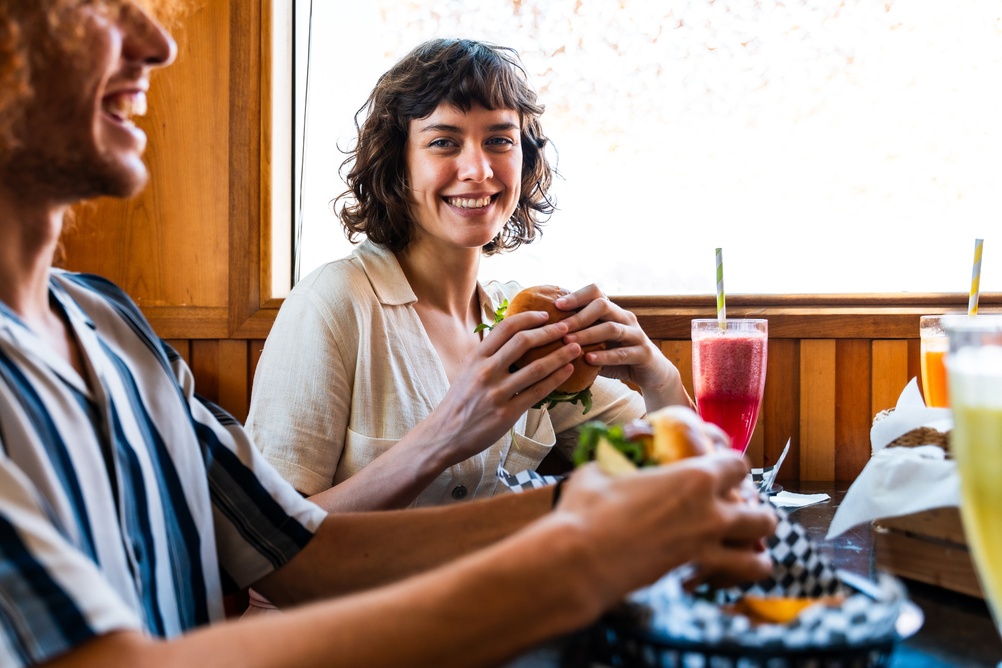
We’ve also lost serendipity. It’s now much harder to be surprised by a meeting, conversations or fresh ideas. In the modern era, these moments have been replaced with algorithmically curated alternatives, such as: suggested apps, promoted events in your feed and more. So, the randomness of human connection is now scheduled and carefully filtered for you.
Reimagining Everyday Spaces
Despite what we’ve lost, there are encouraging signs of a kind of cultural awakening. Now, people are experimenting with ways to reclaim a sense of social ease in their daily lives. Recent examples include: community gardening projects, pop-up cafes that double as libraries, co-living spaces with open lounges, micro-pubs and more. These are all attempts to bring back that casual magic that could make a day much more interesting.
Increasingly, urban planners and designers talk about “placemaking” which is the fresh term for the design of spaces where accidental encounters, intergenerational mixing and lingering are encouraged. For example: the city of Melbourne in Australia has invested in a series of pedestrian laneways with informal seating areas and small bars. The intention is to make spaces where casual connections over a drink or during a walk can take place.
Even the smallest gestures can have an impact on how people feel about their community. Some prime examples are open-air markets, shared benches, public pianos, fountains with seating and more. Individually these spaces may seem insignificant, but collectively these bring some much needed spontaneity into our everyday lives. This can encourage people to show up, slow down and interact in a casual manner which is a quiet rebellion against the privatized and transactional nature of modern life.
Bringing Back the Ease
Those cafes, diners and community hubs that still reside in the collective memory may be harder to find, but there’s a sense that we shouldn’t wait for urban planners and trends to bring them back. There is a real desire to bring back effortless social magic, this is less about replicating the past and more about reclaiming the conditions that make these interactions possible. The key factors are ambient connection, space for serendipity and low-pressure belonging.
The simplest way to begin is to create micro-rituals that invite physical presence. This is a personal map for your social life, like: an evening walk each Friday, a weekly coffee at a quiet cafe, a regular casual visit to the food hall where people recognize you. These are small, low-friction and repeatable gestures that create the space for the emergence of natural connections. Gradually, repetition will itself be part of the sense of belonging, strangers will become familiar, this could lead to conversations and even friendships.
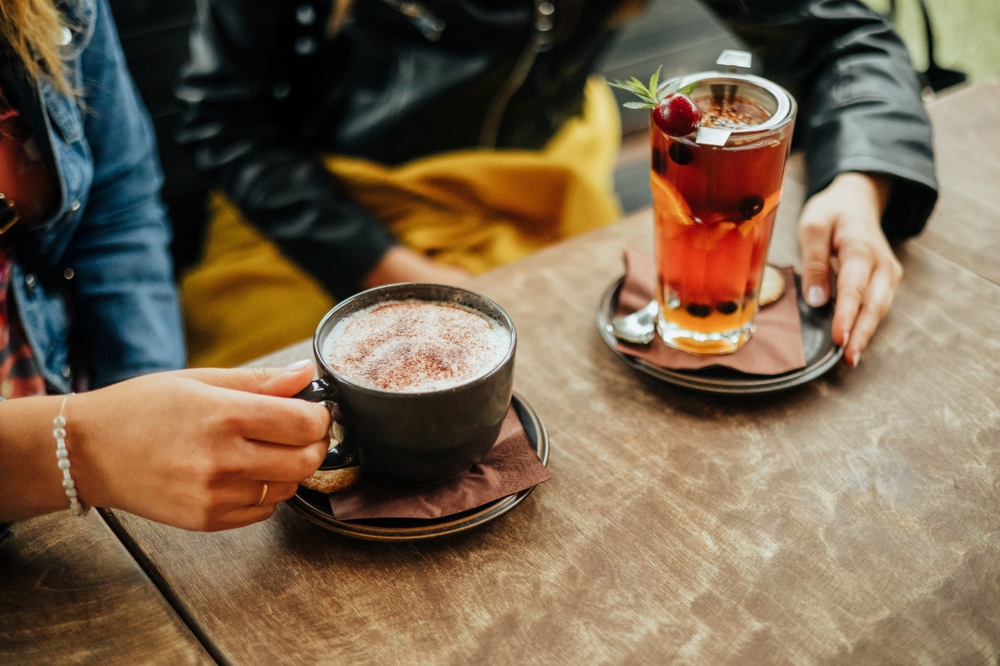
An alternative approach is to slow down your interactions in public spaces. In modern life, we are trained to rush when we order coffee, pay for groceries and move through spaces. When we deliberately decelerate we can recreate some of the last serendipity that previously defined the casual social spaces. If you pause for a moment, you may notice the chatter that surrounds you and may even give or receive a smile from someone nearby or have a small conversation with a stranger. This can feel strange at first, everybody feels the same and yet you may be surprised at the responsiveness of others. These are smaller moments, but they accumulate and they can restore some of that lost ambient social energy that we’re missing.
Physical design is important; you can’t change your entire neighborhood overnight, but you can select spaces where naturally lingering could occur, like: quiet nooks, small plazas, outdoor benches. These may be found in parks, near public libraries and other spots that often go overlooked in our busy lives. If you’re lucky you may discover a surviving independent cafe that has an open layout and mismatched furniture. These lost gems should be supported with your business if they have great coffee. You could even hack a public space to make it easier to engage in casual interactions. This could be setting up a small picnic at the park, gathering with friends for a regular public potluck and even setting up a spare folding chair next to you in a public square. The key is to create a low-pressure opportunity for interactions where life can unfold rather than being a curated event.
Although technology is often held to blame for the erosion of casual social encounters it can actually be helpful if it’s used intentionally. There are apps that encourage spontaneous meetings, neighborhood-based social platforms and local newsletters that keep people in the loop. These can direct you toward hidden corners of your town or city where interaction is thriving. The main difference is using technology to discover these spaces rather than trying to replace them with a digital experience. So, rather than staying home and endlessly scrolling, you can let tech guide you to a place where genuine presence and not performance is the default position.
It’s important to cultivate the right mindset to bring back the ease without falling into nostalgia. Make sure that you’re prepared to accept the unpolished and imperfect nature of unpredictable human interactions. This can be jarring for people accustomed to carefully curated experiences that can feel performative in comparison. Be prepared for awkward encounters, feeling uncertain when you choose not to rush and the randomness of everyday life. It’s these moments that we’re missing, they can feel uncomfortable, but they tend to lead to interesting outcomes that can’t be planned.
The true beauty of this type of approach is that it can be scaled to your life in a natural way. There’s no requirement to move to a brand new city, fully restore and open a diner or seek membership as an exclusive club. It’s more important to notice, pause and intentionally carve out the room for unscripted interactions in your life. When you do this you can reclaim some of the lost older social spaces and rediscover a way of living where life feels lighter, richer and more human-centric.
Finding Your Own Lost Social Space
If you find this concept appealing the good news is that you don’t need a time machine to slip into this lifestyle. Start at a smart and local level, explore the streets of your town and city for cafes, corners and spaces that you may have overlooked. The best places are off the beaten track, they have uneven charm with handwritten menus, worn benches and outdated playlists. These are cues that the spaces are designed to be used with intention and they support lingering over efficiency.
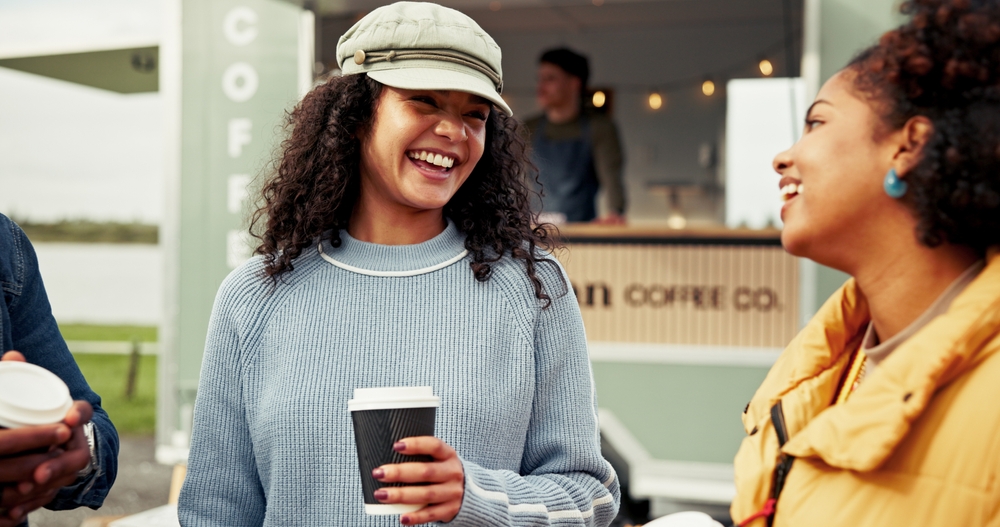
Before you commit, visit a few times to soak up the atmosphere and observe who comes in, how they interact and if there’s any space for unstructured connections. If you feel self-conscious about this process, bring something to read or notebook with you. These props can give you a reason to linger and leave some space for a spontaneous conversation. This could be about what you’re writing, the book you’re reading or something unexpected. Follow the rhythm and let the spaces direct what’s right, like the hum of conversations after work or the mid-morning chatter. Try to drop in at different times to find the times that suit the vibe that you enjoy.
Why This Matters Now
In our culture, productivity, efficiency and curated experiences are prized and the social spaces of the recent past are starting to feel like a form of nostalgia. But for many people, there’s a genuine longing for texture, balance and depth as a counter to the speed and surface-level experiences of modern life. We may never bring back the corner cafes, diners and neighborhood halls of the past. However, we can recognize what they offered: ambient connections, low-pressure belonging and serendipity that informed how a city worked. The challenge is to bring back the qualities that made life feel easier without replicating the past. We are capable of designing streets and structures that invite the chance encounter and cultivating habits that make unstructured connections possible. This could help us to reclaim a dimension of life that’s eroded and remind us that joy in life can often be found at the edges of routines.